
Understanding What Goes Into Apple Watch Repairs

Apple Watches are sophisticated devices packed with advanced technology. When they malfunction or get damaged, repairing them requires specialized knowledge and tools. Understanding what goes into Apple Watch repairs can help you make informed decisions about maintenance and service options. This article explores the key aspects of Apple Watch repairs, from common issues to repair processes and costs.
What Apple Watch Repairs Involve
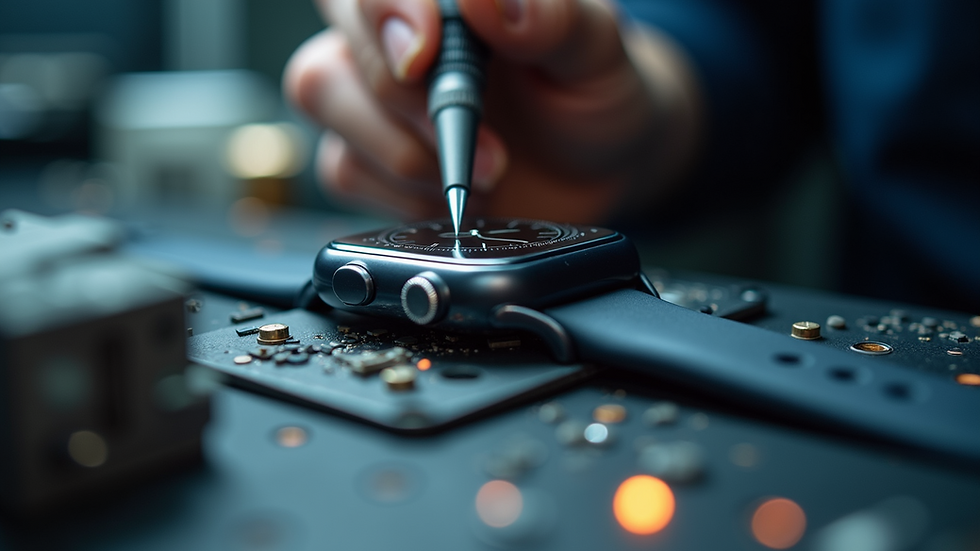
Apple Watch repairs are not as straightforward as fixing a regular watch or smartphone. The device combines delicate electronics, sensors, and a compact design that demands precision during repairs. Here are some common repair types and what they entail:
Screen Replacement: The most frequent repair involves replacing a cracked or unresponsive screen. This requires carefully detaching the display without damaging the internal components.
Battery Replacement: Over time, the battery capacity diminishes. Replacing the battery involves opening the watch case and disconnecting the old battery safely.
Water Damage Repair: Although Apple Watches are water-resistant, exposure to water can sometimes cause internal damage. Repairing this involves cleaning and drying internal parts and replacing damaged components.
Button and Crown Repair: The digital crown and side buttons can wear out or stop functioning. Repairing these requires precise mechanical work.
Sensor and Connectivity Fixes: Issues with heart rate sensors, GPS, or Bluetooth connectivity may require component replacement or software recalibration.
Each repair type demands specific tools and expertise. Apple-certified technicians use specialized equipment to open the watch without causing further damage. They also follow strict protocols to maintain the device’s water resistance after repair.

Apple Watch Repairs: What You Should Know
When considering Apple Watch repairs, it is important to understand the factors that affect the repair process and outcome:
Model Variations: Different Apple Watch models have varying internal designs. Newer models may have more complex components, making repairs more challenging.
Genuine Parts: Using genuine Apple parts ensures compatibility and durability. Non-genuine parts may cause further issues or void warranties.
Repair Time: Depending on the issue, repairs can take from a few hours to several days. Some repairs require sending the watch to specialized service centers.
Warranty and Service Plans: AppleCare+ and other service plans can reduce repair costs and provide faster service options.
DIY Repairs: While some minor fixes might seem doable, Apple Watch repairs generally require professional skills. Attempting DIY repairs can lead to permanent damage.
Understanding these factors helps you choose the right repair service and avoid unnecessary expenses or risks.
How much does it cost to fix an Apple Watch?
Repair costs vary widely depending on the type of damage and the model of the watch. For example:
Screen Replacement: This is usually the most expensive repair. Prices can range from $150 to $400 depending on the model.
Battery Replacement: Typically costs between $80 and $100.
Water Damage Repair: Costs vary depending on the extent of damage and parts needed.
Button or Crown Repair: Usually less expensive but depends on the complexity.
If you want to get a clear idea of apple watch repair costs, it is best to consult a trusted repair service. They can provide a detailed estimate based on your watch’s condition.
Many repair shops offer free diagnostics to identify the problem before quoting a price. This helps avoid surprises and ensures you get the best value for your money.

Tips for Maintaining Your Apple Watch to Avoid Repairs
Preventive care can extend the life of your Apple Watch and reduce the need for repairs. Here are some practical tips:
Use a Screen Protector and Case: Protect the screen from scratches and impacts.
Keep It Clean: Regularly clean the watch and band to prevent dirt buildup.
Avoid Extreme Conditions: Keep the watch away from extreme heat, cold, or moisture.
Charge Properly: Use the original charger and avoid overcharging.
Update Software: Keep the watchOS updated to fix bugs and improve performance.
Handle with Care: Avoid dropping or banging the watch against hard surfaces.
By following these simple steps, you can minimize the risk of damage and costly repairs.
Choosing the Right Repair Service for Your Apple Watch
Selecting a reliable repair service is crucial for a successful Apple Watch repair. Here are some factors to consider:
Certification and Experience: Look for technicians certified by Apple or with proven experience in Apple Watch repairs.
Warranty on Repairs: Choose services that offer warranties on parts and labor.
Customer Reviews: Check online reviews and testimonials to gauge service quality.
Turnaround Time: Confirm how long the repair will take and if they offer express service.
Pricing Transparency: Ensure the service provides clear pricing without hidden fees.
Using a reputable repair service ensures your Apple Watch is handled with care and restored to optimal condition.
Understanding the complexities of Apple Watch repairs empowers you to make smart choices when your device needs service. Whether it’s a cracked screen, battery issue, or sensor malfunction, knowing what goes into the repair process helps you protect your investment and enjoy your Apple Watch for years to come.


Comments